


Side-sliding insect screens for doors and wide bays

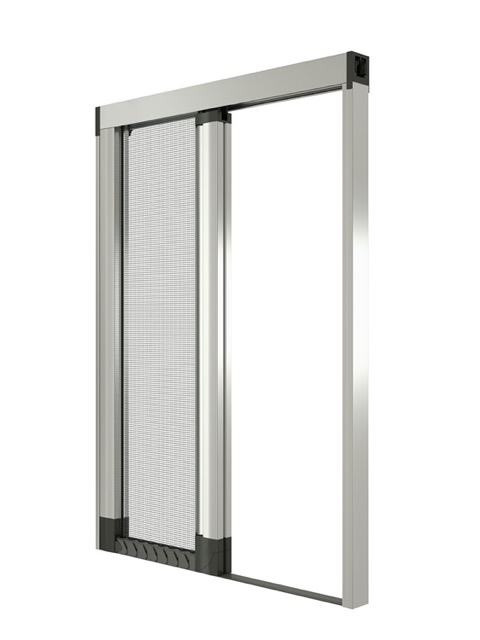
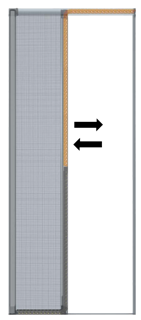
On a French door or a sliding bay, the mesh should travel sideways, not up and down. You walk through these openings several times a day, and nobody wants to wind two metres of mesh each time. The side-sliding screen solves that: the mesh unrolls horizontally and locks against the opposite jamb.
The mechanism
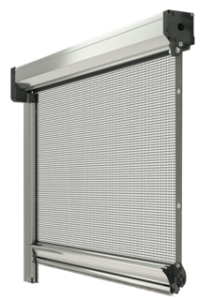
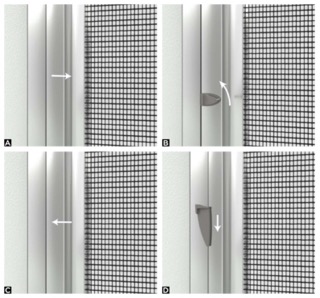
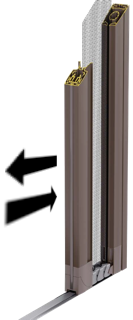
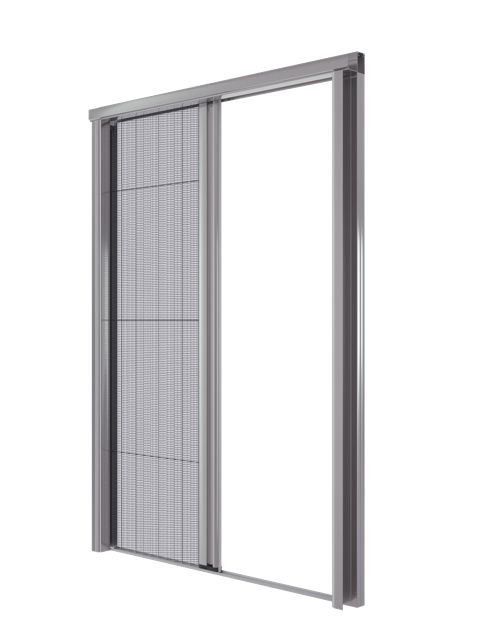
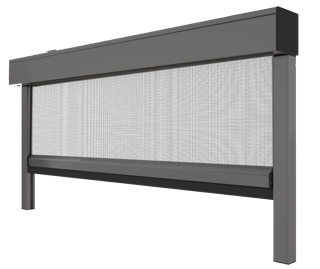
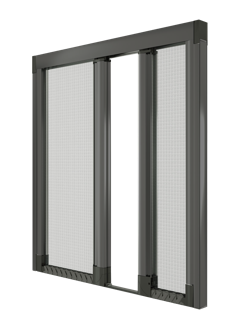
The mesh winds onto a vertical roller housed in a slim aluminium upright at one side of the opening. A handle draws it across, and the leading edge latches into a magnetic or mechanical catch on the far side. Because the roller is vertical, the whole system stays under 60 mm deep and reads as part of the frame.
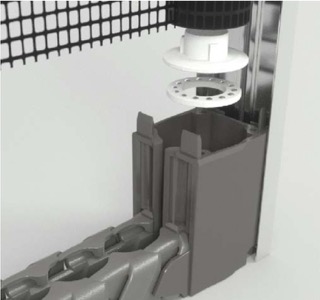
Two details do the real work. A chain guide runs in the bottom track and keeps the mesh under tension across the width, so it does not belly out in a draught. A controlled return stops the screen snapping back when you release it — the difference between a screen that lasts and one that tears in its second season.

Configurations
- Single leaf. One roller, one direction of travel. The usual choice up to about 1.6 m.
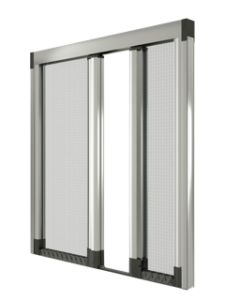
- Double leaf. Two rollers, one each side, meeting in the middle. For wide bays, and it halves the travel.
- Pleated mesh. The mesh folds like a concertina instead of rolling. It is the option for very wide openings, and it needs no roller tension at all.
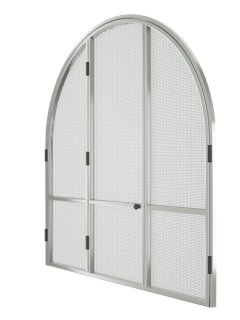
- Hinged screen. A framed panel on hinges, for a service door that is opened rarely.
Mesh options
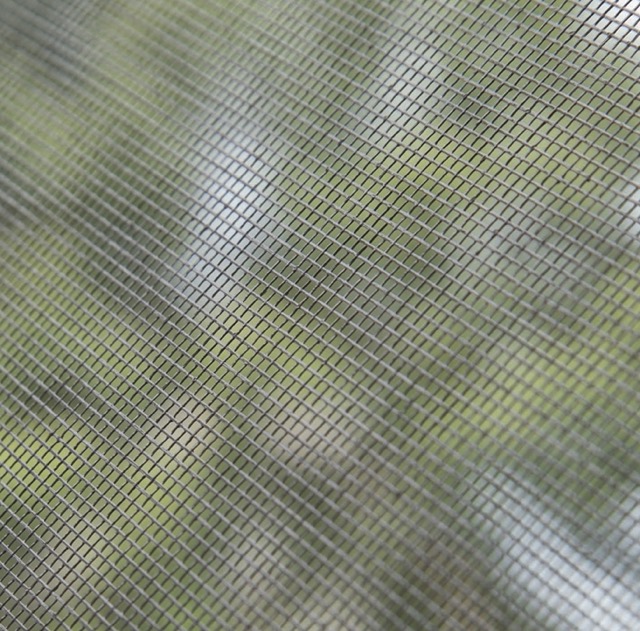
The same meshes as the rest of the range: standard grey, high transparency, high contrast, fine weave and anti-pollen. On a large bay the high-transparency mesh is usually worth the difference, because it is the one you look through all summer.

Ordering
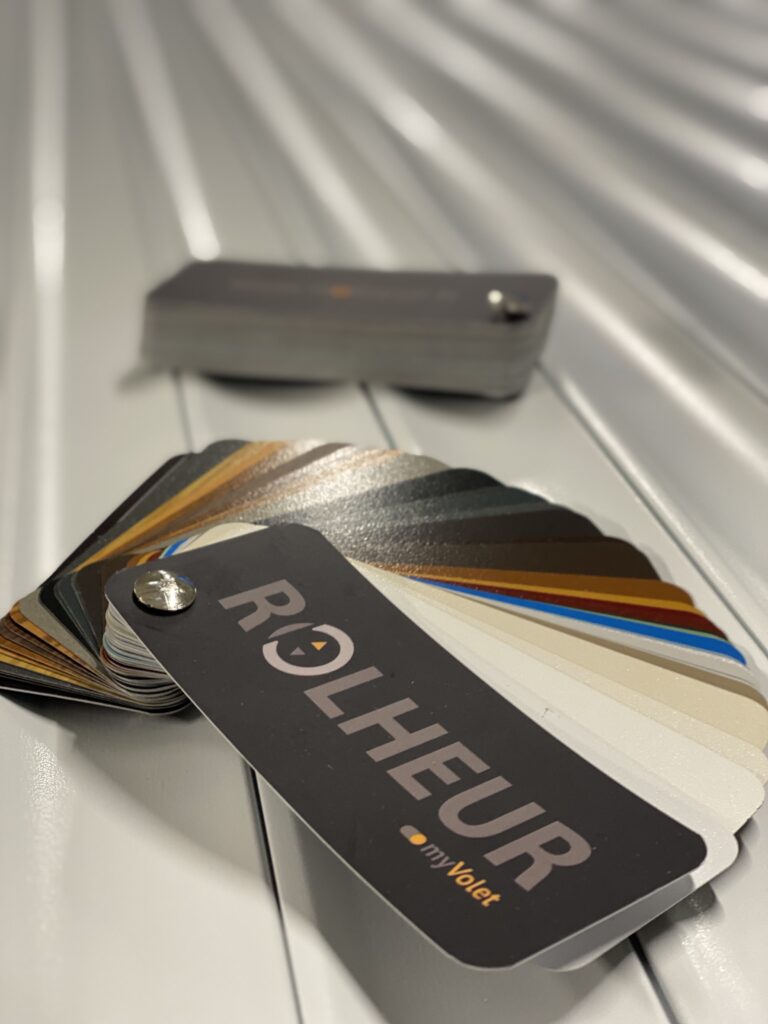
Made to the measurements of the opening, in a colour matched to the joinery, and fitted by an approved installer. Send the width, the height and a photo through the quote form, or compare with the other insect screens.